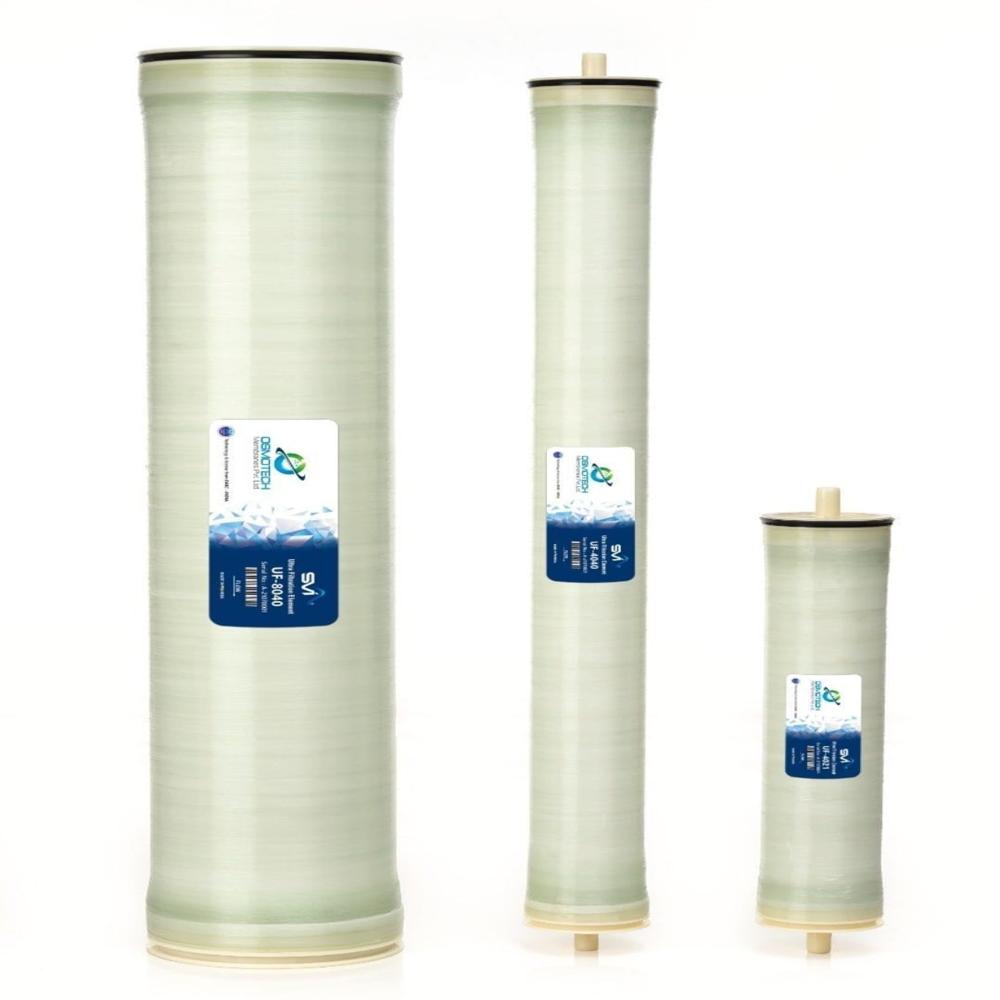
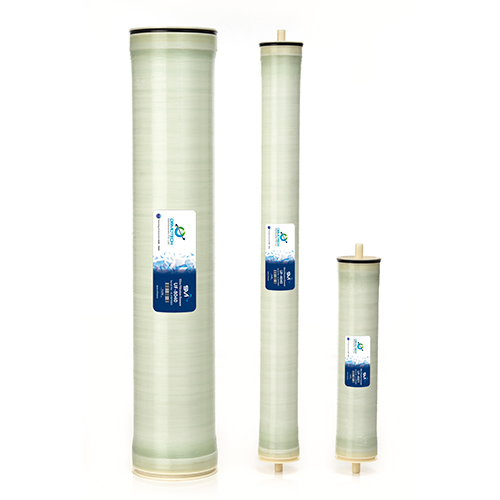
About Industrial ultrafiltration membrane
Osmotech Membranes Pvt. Ltdsince2013is devotedly engaged inmanufacturing and exportinga wide assortment of Water Filtration Plant & Membranes. Offered products range consists ofRO Membranes, NF Membranes, MF Membrane and many more.
FAQs of NF-60 2012 -100 NANO FILTRATION MEMBRANE:
Q: What is the installation type of the NF-60 2012 -100 Nano Filtration Membrane?
A: The NF-60 2012 -100 Nano Filtration Membrane is wall-mounted.
Q: What type of filtration technology is used in the NF-60 2012 -100 Nano Filtration Membrane?
A: The NF-60 2012 -100 Nano Filtration Membrane uses nanofiltration technology.
Q: What material is the NF-60 2012 -100 Nano Filtration Membrane made of?
A: The membrane is made of durable plastic.
Q: What is the water source for the NF-60 2012 -100 Nano Filtration Membrane?
A: The membrane is designed to work with water sources from water tanks.
Q: What is the warranty period of the NF-60 2012 -100 Nano Filtration Membrane?
A: The product comes with a 1-year warranty.
Versatile Ultrafiltration SolutionThese hollow fiber ultrafiltration membranes are modular and adaptable, supporting horizontal or vertical setups and flow rates tailored up to 5000 LPH per module. Designed for mounting on racks or skids, they serve a wide range of water sources, including industrial, municipal, surface, and groundwater, making them suitable for diverse water & wastewater treatment needs.
High-Efficiency Filtration & DurabilityUtilizing outside-in or inside-out configurations, these membranes offer consistently high removal rates for fine contaminants while minimizing fouling. The PVDF construction coupled with robust end connections (PVC/ABS) allows for chemical cleaning and superior longevity. Easy maintenance, durable accessories, and compatibility with automatic or manual flush valves ensure seamless operation.
FAQ's of Industrial ultrafiltration membrane:
Q: How does the ultrafiltration membrane work in industrial or municipal water treatment?
A: The ultrafiltration membrane uses its fine pores (0.01-0.1 microns) to physically block suspended solids, bacteria, viruses, and colloidal particles as water passes through. Operating on a hollow fiber design with outside-in or inside-out flow, it efficiently purifies water by separating contaminants without requiring a direct power supply, relying on feedwater pressure instead.
Q: What cleaning methods are recommended for maintaining optimal membrane performance?
A: Backwash and Chemical Enhanced Cleaning (CEB) are the recommended methods for maintaining these ultrafiltration membranes. Regular backwashing clears accumulated solids, while CEB with compatible chemicals like chlorine, sodium hypochlorite, or citric acid helps remove more stubborn fouling, ensuring sustained high filtration efficiency and extending membrane life.
Q: When should the membrane be replaced, and what affects its lifespan?
A: With proper maintenance, the membrane typically lasts 3-5 years. Its lifespan is influenced by regular cleaning, adherence to pH and pressure specifications, and feedwater quality. Heavy fouling, exposure to incompatible chemicals, or operating outside the recommended temperature and pressure ranges may shorten its effective life.
Q: Where can this ultrafiltration membrane be installed and what are its common applications?
A: These membranes are designed for flexible installation-horizontal or vertical-on racks or skids. Common applications include water and wastewater treatment, RO pretreatment, industrial filtration, municipal water supply, and commercial water purification. They can be used with industrial, municipal, groundwater, or surface water sources.
Q: What are the benefits of using a PVDF ultrafiltration membrane over other technologies?
A: PVDF ultrafiltration membranes provide high chemical resistance, broad pH tolerance, and excellent fouling resistance, resulting in prolonged operational life. Their modular and easy-to-maintain design allows for quick servicing, while high filtration efficiency ensures superior water quality for industrial, municipal, and commercial uses.
Q: How are the membranes integrated with existing water purification systems?
A: These modules utilize standard PVC/ABS couplings and are compatible with a wide range of membrane housings, end caps, O-rings, and adapters, facilitating straightforward integration. They have no voltage requirement-relying solely on feedwater pressure-making them compatible with both automatic and manual systems overseeing flush and cleaning processes.
 Send Inquiry




 Send Inquiry


